How to Build a Strong Online Presence in 30 Days”
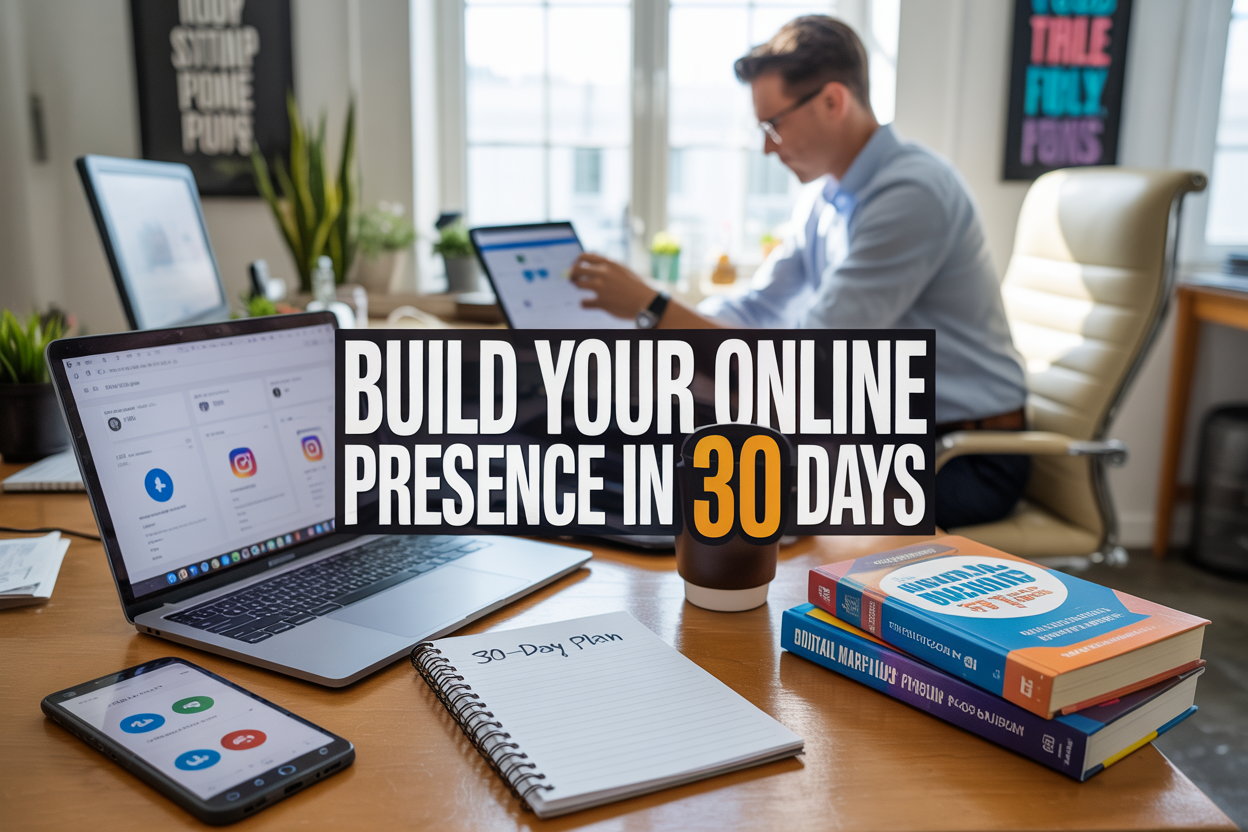
Building a strong online presence doesn’t have to take months of trial and error. This 30-day guide is designed for entrepreneurs, freelancers, job seekers, and business owners who want to establish credibility and attract their target audience quickly.
You’ll learn how to define your brand identity and goals so every piece of content aligns with your vision. We’ll cover creating a content strategy framework that keeps you consistent without burning out. Plus, you’ll discover proven methods to leverage social media for maximum reach and build relationships that actually matter for your business.
By day 30, you’ll have a professional online presence that works around the clock to showcase your expertise and connect you with the right opportunities.
Define Your Brand Identity and Goals

Identify Your Unique Value Proposition
Your unique value proposition (UVP) is what sets you apart from everyone else in your field. Think of it as your professional fingerprint – no one else has quite the same combination of skills, experiences, and perspectives that you bring to the table.
Start by listing your top five skills and experiences. Then ask yourself: What problems do you solve that others can’t? What results have you achieved that stand out? Maybe you’re a marketing professional who increased conversion rates by 40% using unconventional storytelling techniques, or a developer who specializes in making complex technical concepts accessible to non-technical teams.
Your UVP should answer three key questions:
-
What do you do?
-
Who do you serve?
-
What makes you different?
Write it in one clear sentence. For example: “I help small businesses double their online sales through data-driven social media campaigns that actually convert.” This becomes the foundation for everything you share online.
Create Your Brand Voice and Personality
Your brand voice is how you communicate – it’s your personality coming through in every post, comment, and interaction. Are you the encouraging mentor, the straight-talking expert, or the innovative disruptor?
Pick three words that describe how you want to sound online. Maybe it’s “authentic, knowledgeable, and approachable” or “bold, creative, and inspiring.” These become your north star for all communications.
Consider your audience’s preferences too. LinkedIn professionals might appreciate a more polished tone, while Instagram followers often connect with casual, behind-the-scenes content. Your voice should feel natural to you while resonating with your target audience.
Create a simple voice guide:
-
Tone: Professional but warm
-
Language style: Clear and conversational
-
Personality traits: Helpful, honest, optimistic
-
What to avoid: Jargon, negativity, overly sales-focused content
Set Measurable Online Presence Goals
Vague goals like “get more followers” won’t cut it. You need specific, measurable targets that align with your bigger professional objectives.
Break your goals into three categories:
Awareness Goals: How many people will discover you?
-
Gain 500 new LinkedIn connections
-
Increase website traffic by 25%
-
Appear in 5 industry podcasts or publications
Engagement Goals: How will people interact with your content?
-
Achieve 50 comments per LinkedIn post
-
Build an email list of 200 subscribers
-
Generate 20 meaningful conversations with industry peers
Conversion Goals: What actions will people take?
-
Land 3 new client inquiries per month
-
Secure 2 speaking opportunities
-
Get invited to 5 networking events
Track these weekly using a simple spreadsheet or tools like Google Analytics and native platform insights. Adjust your strategy based on what’s working and what isn’t.
Research Your Target Audience Demographics
You can’t build a strong online presence without knowing exactly who you’re trying to reach. Your ideal audience isn’t “everyone” – it’s specific people with particular needs, challenges, and goals.
Create detailed audience personas by researching:
Demographics:
-
Age range, location, job titles
-
Industry sectors and company sizes
-
Education level and career stage
Psychographics:
-
What keeps them up at night professionally?
-
Where do they get their industry information?
-
What social platforms do they actively use?
Behavioral patterns:
-
When are they most active online?
-
What type of content do they share and engage with?
-
What language and terminology do they use?
Use tools like LinkedIn analytics, Google Analytics, and social media insights to gather this data. Survey your existing network or customers. Join Facebook groups and LinkedIn communities where your ideal audience hangs out – observe their conversations and pain points.
The more specific your audience research, the more targeted and effective your content will be. Instead of trying to appeal to everyone, you’ll create content that speaks directly to the people who matter most for your goals.
Optimize Your Professional Profiles

Update LinkedIn with Keywords and Professional Photo
Your LinkedIn profile acts as your digital business card, so making it shine is non-negotiable. Start by uploading a high-quality headshot where you look approachable yet professional. Skip the vacation photos or group shots – you want a clean, well-lit image that represents how you’d appear in a business setting.
The magic happens in your headline and summary section. Instead of just listing your job title, craft a headline that includes relevant keywords your target audience might search for. If you’re a marketing specialist, don’t just say “Marketing Specialist at XYZ Company.” Try something like “Digital Marketing Specialist | SEO Expert | Content Strategy | Helping B2B Companies Increase Online Visibility.”
Your summary should read like a compelling story, not a boring resume. Weave in industry keywords naturally while highlighting your unique value proposition. Think about what problems you solve and how you help people or companies succeed.
Don’t forget to optimize your experience descriptions. Each role should include specific achievements with measurable results. Instead of saying “managed social media accounts,” write “increased social media engagement by 150% across 5 platforms, driving 40% more website traffic in 6 months.”
The skills section matters too. Add relevant skills that align with your goals, and ask colleagues to endorse you. LinkedIn’s algorithm favors profiles with keyword-rich content, so strategic optimization directly impacts your visibility in search results.
Clean Up Social Media Accounts for Consistency
Time for a social media audit – and yes, it might sting a little. Start by searching your name on Google and see what pops up. Any questionable photos, controversial posts, or unprofessional content needs to go. Employers and potential clients will check your social presence, so make it count in your favor.
Create consistency across all platforms with your profile photos, usernames, and bio information. Use the same professional headshot everywhere, or at least photos that maintain a similar tone and quality. Your Instagram username shouldn’t be “partygirl2023” if you’re building a professional consulting brand.
Review your posting history on Facebook, Twitter, Instagram, and any other platforms. Delete or hide posts that might reflect poorly on your professional image. This includes complaining about work, controversial political statements, or anything that contradicts the professional brand you’re building.
Adjust your privacy settings strategically. You don’t need to make everything public, but ensure that what is visible aligns with your professional goals. Consider creating separate personal and professional accounts if you want to maintain different personas online.
Set up Google Alerts for your name to monitor what appears about you online. This early warning system helps you address any issues before they impact your reputation.
Create a Professional Bio Template
A versatile bio template saves you time and ensures consistency across all platforms. Create three versions: a 50-word elevator pitch, a 150-word professional summary, and a 300-word detailed bio. This covers everything from Twitter bios to speaker introductions.
Your short version should pack a punch in just a few sentences. Include your current role, key expertise, and one notable achievement or unique angle. “Sarah helps e-commerce brands increase conversions through data-driven UX design. Her strategies have generated over $2M in additional revenue for 50+ clients.”
The medium version allows for more personality and context. Add your background, core services or skills, and 2-3 specific results or credentials. Include a personal touch that makes you memorable – maybe you’re a marathon runner or volunteer at animal shelters.
Your long bio should read like a compelling professional story. Start with your current focus, then trace your journey backward, highlighting key milestones and achievements. Include relevant education, certifications, media mentions, or speaking engagements. End with something personal that humanizes you.
Keep each version current and adapt them for different contexts. Your bio for a tech conference might emphasize different skills than one for a local business networking event. Test different versions to see which resonates best with your audience, and don’t be afraid to inject some personality – people connect with humans, not corporate robots.
Store these templates somewhere easily accessible so you can quickly customize them for new opportunities without starting from scratch each time.
Build Your Content Strategy Framework
Choose Your Primary Content Pillars
Content pillars serve as the foundation of your online strategy, acting like the supporting beams of your digital presence. Think of them as the main topics you’ll consistently talk about to establish your expertise and attract your target audience.
Start by identifying 3-5 core themes that align with your professional goals and audience interests. For a marketing consultant, these might include digital strategy tips, industry trends, case studies, personal insights, and tool recommendations. A fitness coach might focus on workout routines, nutrition advice, mindset coaching, success stories, and wellness lifestyle content.
Your pillars should balance what you know best with what your audience wants to learn. Spend time researching popular questions in your field using tools like AnswerThePublic or simply scrolling through relevant social media groups. Notice which posts get the most engagement and comments.
Create a simple document listing each pillar with 10-15 specific subtopics underneath. This becomes your content idea bank when inspiration runs low. For example, under “productivity tips,” you might list time-blocking techniques, morning routines, workspace organization, and digital decluttering methods.
Remember that consistency beats perfection. Your pillars will evolve as you learn more about your audience’s preferences, but having this framework prevents you from posting random content that doesn’t build toward your bigger goals.
Plan Your Content Calendar for 30 Days
A well-structured content calendar transforms overwhelming creative decisions into manageable daily tasks. Start by mapping out your posting frequency across platforms – quality always wins over quantity, especially when you’re building momentum.
Begin with a simple spreadsheet or use free tools like Google Calendar or Trello. Create columns for date, platform, content type, topic, and status. For your first 30 days, aim for consistency rather than volume. Posting three times per week consistently beats sporadic daily posting followed by week-long gaps.
Batch your content creation by dedicating specific days to different activities. Mondays might be for writing blog posts, Tuesdays for creating graphics, and Wednesdays for filming videos. This approach reduces decision fatigue and helps you maintain quality while building efficiency.
Mix your content types throughout the week. Share educational posts on Mondays, behind-the-scenes content on Wednesdays, and engaging questions or polls on Fridays. Include seasonal events, industry holidays, and trending topics relevant to your field.
Build in buffer content – those evergreen posts you can publish anytime. These save you during busy weeks and ensure your calendar never looks empty. Keep a running list of backup ideas that don’t depend on specific timing or current events.
Select the Best Platforms for Your Audience
Platform selection can make or break your online presence efforts. Spreading yourself too thin across every social network leads to mediocre results everywhere instead of strong results somewhere specific.
Research where your target audience actually spends their time online. B2B professionals often engage more on LinkedIn and Twitter, while visual creators find success on Instagram and TikTok. Don’t assume – use platform analytics and conduct informal polls to understand your audience’s preferences.
Consider the content formats that showcase your expertise best. LinkedIn favors professional insights and industry commentary, while Instagram rewards visual storytelling and behind-the-scenes content. YouTube works well for detailed tutorials and thought leadership, but requires significant time investment for video production.
Start with 2-3 platforms maximum during your first 30 days. Master the posting rhythms, engagement patterns, and community norms of each before expanding. Each platform has its own culture and unspoken rules that affect how your content performs.
| Platform | Best For | Content Types | Time Investment |
|---|---|---|---|
| Professional networking | Articles, industry insights | Medium | |
| Visual storytelling | Photos, Stories, Reels | High | |
| Real-time engagement | Quick thoughts, threads | Low-Medium | |
| YouTube | Educational content | Long-form videos | Very High |
Develop Your Visual Brand Guidelines
Visual consistency creates instant recognition and professional credibility across all your online touchpoints. Your visual brand includes colors, fonts, logo placement, image styles, and overall aesthetic that makes your content immediately identifiable.
Choose a primary color palette of 3-4 colors that reflect your personality and industry. Financial advisors might lean toward blues and grays for trustworthiness, while creative professionals could use bolder, more diverse palettes. Tools like Coolors.co help you create harmonious color schemes that work across different platforms.
Select 2-3 fonts maximum – one for headlines and another for body text. Many successful personal brands stick with clean, readable fonts like Montserrat, Open Sans, or Lato rather than decorative options that might look unprofessional or hard to read on mobile devices.
Create templates for different content types using free tools like Canva or invest in Adobe Creative Suite if design plays a major role in your strategy. Having templates for quotes, tips, announcements, and behind-the-scenes posts speeds up content creation while maintaining consistency.
Document your guidelines in a simple one-page brand sheet. Include your color codes, font names, logo variations, and example layouts. This becomes invaluable when you start working with virtual assistants or collaborators who need to create content in your style.
Your visual brand should feel authentic to who you are while appealing to your target audience. Don’t copy someone else’s aesthetic completely – instead, let your personality shine through your visual choices while maintaining professional standards.
Create High-Quality, Engaging Content
Write Valuable Blog Posts or Articles
Your blog posts should solve real problems that your target audience faces. Start by identifying the most common questions, challenges, and pain points in your industry. These become the foundation for content that people actually want to read and share.
Focus on creating evergreen content that remains valuable over time. Tutorial posts, how-to guides, and comprehensive resource articles consistently perform well because they provide lasting value. Mix these with timely content that addresses current trends or news in your field.
Structure your posts for maximum readability. Use short paragraphs, bullet points, and clear subheadings to break up text. Most readers scan before they read, so make it easy for them to find the information they need quickly.
Include personal experiences and case studies whenever possible. Stories connect with readers on an emotional level and make your content more memorable. Share your failures alongside your successes – authenticity builds trust faster than perfection.
Optimize your posts for search engines without sacrificing quality. Research relevant keywords, but weave them naturally into your writing. Focus on answering questions completely rather than just hitting keyword density targets.
Design Eye-Catching Visual Content
Visual content stops the scroll and captures attention in crowded social media feeds. Create a consistent visual brand using the same color palette, fonts, and design elements across all your graphics. This builds recognition and professionalism.
Templates are your best friend for maintaining consistency while saving time. Design a few flexible templates for quotes, tips, behind-the-scenes content, and promotional posts. Tools like Canva, Adobe Creative Suite, or Figma offer professional-grade capabilities without requiring extensive design experience.
| Content Type | Best Dimensions | Recommended Tools |
|---|---|---|
| Instagram Posts | 1080x1080px | Canva, Adobe Spark |
| LinkedIn Posts | 1200x627px | Canva, Figma |
| Twitter Headers | 1500x500px | Adobe Photoshop, Canva |
| Blog Graphics | 1200x630px | Figma, Adobe Illustrator |
Infographics perform exceptionally well because they transform complex information into digestible visual formats. Break down processes, statistics, or comparisons into clear, step-by-step visuals that your audience can easily understand and share.
Don’t overlook the power of simple quote graphics and tip cards. These quick-to-consume pieces often generate high engagement rates and position you as a thought leader in your space.
Record Video Content That Showcases Expertise
Video content builds deeper connections than any other format. People want to see the person behind the brand, and video delivers that authenticity naturally. Start with simple talking-head videos using your smartphone – perfect lighting and audio matter more than expensive equipment.
Plan your video content around your expertise pillars. Create educational tutorials, industry insights, behind-the-scenes glimpses, and personal stories. Each video should have a clear purpose and call-to-action that moves viewers closer to your goals.
Keep videos concise and front-load the value. The first 15 seconds determine whether viewers stick around, so hook them immediately with a compelling promise or intriguing question. Get straight to the point without lengthy introductions.
Live video creates urgency and encourages real-time engagement. Schedule regular live sessions for Q&As, tutorials, or industry discussions. The unpolished nature of live content actually works in your favor – it feels more genuine and accessible.
Repurpose your video content across multiple platforms. A single video can become social media clips, podcast episodes, blog post content, and email newsletter material. This maximizes your content investment while reaching different audience preferences.
Leverage Social Media for Maximum Reach

Post Consistently Across Chosen Platforms
Consistency beats perfection every single time when it comes to social media success. Your audience needs to know when to expect fresh content from you, creating a rhythm that keeps them engaged and coming back for more. Start by choosing 2-3 platforms that align with your target audience and industry – quality over quantity wins here.
Create a content calendar that maps out your posting schedule. Most successful professionals post 3-5 times per week on LinkedIn, daily on Instagram Stories, and 1-2 times daily on Twitter. The key is picking a schedule you can actually maintain without burning out.
Batch your content creation to make consistency easier. Spend one day per week creating multiple posts, scheduling them in advance using tools like Buffer, Hootsuite, or native platform schedulers. This approach saves time and ensures you never miss posting days, even during busy weeks.
Track your posting times and engagement rates to identify when your audience is most active. Generally, weekday mornings work well for LinkedIn, while Instagram sees peak engagement in evenings and weekends.
Engage Meaningfully with Your Community
Social media is called “social” for a reason – it’s about building relationships, not broadcasting messages into the void. Real engagement means responding to comments thoughtfully, asking questions that spark conversations, and showing genuine interest in your followers’ content.
Spend at least 30 minutes daily engaging with others before posting your own content. Comment on posts from industry leaders, respond to questions in relevant groups, and share valuable insights that add to ongoing discussions. This approach positions you as an active community member rather than just another content creator.
When people comment on your posts, respond within 24 hours with more than just “thanks” or emoji reactions. Ask follow-up questions, share additional insights, or invite them to continue the conversation. These interactions signal to platform algorithms that your content generates meaningful engagement, boosting your reach.
Join industry-specific groups and communities where your target audience gathers. Participate in weekly discussions, share helpful resources, and offer advice when appropriate. This strategy helps you connect with like-minded professionals while establishing your expertise.
Use Hashtags Strategically to Increase Visibility
Hashtags act like search keywords, helping new audiences discover your content. Research shows that posts with hashtags receive significantly more engagement than those without, but using them strategically matters more than using many.
Create a mix of hashtag categories: industry-specific tags (#digitalmarketing, #contentcreation), niche tags (#socialmediaROI, #brandstorytelling), and broader tags (#entrepreneurship, #productivity). This combination helps you reach both targeted and general audiences.
| Platform | Optimal Hashtag Count | Best Practices |
|---|---|---|
| 5-10 hashtags | Mix popular and niche tags | |
| 3-5 hashtags | Focus on professional keywords | |
| 1-3 hashtags | Keep it simple and relevant | |
| TikTok | 3-5 hashtags | Include trending tags when relevant |
Research hashtags regularly using tools like Hashtagify, RiteTag, or platform-native search features. Look for tags with moderate competition – extremely popular hashtags can bury your content, while very niche tags might not reach enough people.
Create branded hashtags for your campaigns or regular content series. This strategy helps build community around your brand and makes it easier for followers to find related content.
Share Behind-the-Scenes Content for Authenticity
People connect with people, not perfect brands. Behind-the-scenes content humanizes your professional presence and builds trust with your audience. Share your workspace, your creative process, your challenges, and your wins – the real stuff that happens between polished posts.
Document your workday through Instagram Stories or LinkedIn posts. Show yourself preparing for presentations, working through problems, or celebrating small victories. This content doesn’t need professional photography or perfect lighting – authenticity trumps production value.
Share your learning journey openly. Post about courses you’re taking, books you’re reading, or conferences you’re attending. Include key takeaways and how you plan to apply new knowledge. This approach positions you as someone committed to growth while providing value to your audience.
Talk about failures and lessons learned. Professional setbacks, project challenges, or skill gaps you’re working to fill resonate strongly with audiences facing similar struggles. These vulnerable moments often generate the most engagement and memorable connections.
Collaborate with Others in Your Industry
Strategic collaborations exponentially expand your reach while building valuable professional relationships. Look for peers, complementary service providers, or industry leaders whose audiences would benefit from your expertise.
Start small with simple collaboration formats: quote each other in posts, host Instagram Live sessions together, or create carousel posts featuring multiple expert perspectives. These low-commitment collaborations test the waters before investing in larger joint projects.
Guest posting remains one of the most effective collaboration strategies. Write articles for industry blogs, contribute to LinkedIn newsletters, or participate in podcast interviews. Each appearance exposes you to new audiences while building backlinks to your profiles.
Cross-promote each other’s content regularly. When you share someone else’s valuable post with your thoughtful commentary, they often reciprocate. This mutual support system helps everyone’s content reach wider audiences while strengthening professional relationships.
Create collaborative content series where multiple experts contribute insights on trending topics. These projects generate buzz, provide diverse perspectives, and give all participants content to share across their networks.
Network and Build Strategic Relationships

Connect with Industry Leaders and Peers
Building meaningful connections starts with identifying the right people in your field. Use LinkedIn’s advanced search features to find professionals who share your interests, work in similar roles, or have achieved the success you’re aiming for. Don’t just send generic connection requests – personalize each message by mentioning something specific about their work or sharing why you’d like to connect.
Engage authentically with their content before reaching out. Comment thoughtfully on their posts, share their articles with your own insights, and participate in discussions they start. This approach helps you appear on their radar naturally rather than coming across as someone who’s only interested in self-promotion.
Consider creating value-first interactions by sharing relevant resources, industry insights, or introductions that could benefit them. When successful professionals see you as someone who brings value to the relationship rather than just seeking favors, they’re more likely to respond positively to your outreach efforts.
Participate in Online Communities and Forums
Active participation in niche communities accelerates your visibility and credibility within your industry. Reddit communities, specialized Facebook groups, Discord servers, and industry-specific forums offer direct access to engaged audiences who share your professional interests.
Start by becoming a regular contributor rather than a broadcaster. Answer questions, share experiences, and help solve problems that others in the community face. This approach positions you as a knowledgeable resource rather than someone who’s only there to promote themselves.
Popular platforms for professional networking include:
-
Reddit: Industry-specific subreddits like r/marketing, r/entrepreneur, or r/webdev
-
Discord: Professional servers focused on your field or skill set
-
Facebook Groups: Private groups for professionals in your industry
-
Slack Communities: Many industries have dedicated Slack workspaces for networking
-
Circle or Mighty Networks: Specialized communities created by thought leaders
Track which communities generate the most meaningful interactions and double down on those platforms. Quality engagement in three active communities beats superficial participation across ten different groups.
Attend Virtual Events and Webinars
Virtual events provide concentrated opportunities to connect with dozens of relevant professionals in a single session. Webinars, online conferences, and virtual meetups have become permanent fixtures in most industries, making networking more accessible than ever.
Prepare for each event by researching the speakers and attendees beforehand. Many platforms share attendee lists or allow you to browse participant profiles. This preparation helps you identify specific people you’d like to meet and craft personalized conversation starters.
During events, use chat features strategically. Ask thoughtful questions, share relevant experiences, and respond to others’ comments. Many lasting professional relationships begin with a simple exchange in a webinar chat box.
Follow up within 48 hours after each event. Reference specific conversations or presentations from the event in your follow-up messages. This approach shows you were genuinely engaged and helps recipients remember your interaction among potentially hundreds of other attendees.
Create a simple tracking system to manage your networking efforts. Note where you met each contact, what you discussed, and any follow-up actions you promised. This organization prevents awkward situations where you can’t remember how you know someone and ensures you deliver on your commitments.
Monitor and Optimize Your Online Performance

Track Your Engagement Metrics Weekly
Setting up a weekly tracking routine keeps you connected to your performance without drowning in daily fluctuations. Pick a specific day—many content creators choose Sunday evenings to review the past week and plan ahead. Your key metrics should include follower growth, post reach, engagement rates, click-through rates, and website traffic if applicable.
Use native analytics tools like Instagram Insights, LinkedIn Analytics, or Twitter Analytics for social platforms. Google Analytics remains essential for tracking website performance. Create a simple spreadsheet to log these numbers consistently, or use tools like Hootsuite or Buffer for consolidated reporting.
Don’t get discouraged if growth seems slow in the first few weeks. Online presence building is a marathon, not a sprint. Look for trends rather than day-to-day changes. A gradual upward trajectory beats dramatic spikes followed by drops.
Analyze What Content Performs Best
Your top-performing content holds valuable clues about what resonates with your audience. Look beyond just likes and shares—examine comments, saves, and time spent viewing. Video content might generate more engagement, but carousel posts could drive more website clicks.
Pay attention to posting times, content formats, and topics that consistently perform well. If your educational posts about industry trends get more engagement than personal stories, lean into that insight. Similarly, if behind-the-scenes content sparks conversations, create more of it.
Create categories for your content types and track performance by category. This approach helps you identify patterns and replicate successful strategies while phasing out content that doesn’t connect with your audience.
Adjust Your Strategy Based on Data Insights
Data without action equals wasted effort. When you notice certain content types underperforming consistently, pivot away from them. If LinkedIn posts generate more professional opportunities than Twitter, reallocate your time accordingly.
Test new approaches based on your findings. If video content performs well, experiment with different video lengths, formats, or topics. If your audience engages more on Tuesday evenings, schedule your most important posts for that time slot.
Stay flexible with your content calendar. While consistency matters, being responsive to what works keeps your strategy dynamic and effective. Document these changes so you can track which adjustments led to improvements.
Gather Feedback from Your Growing Audience
Direct feedback from your audience provides insights that metrics can’t capture. Use polls, questions in your posts, and direct messages to understand what your followers actually want to see. Ask specific questions like “What topics would you like me to cover next?” or “Which format do you prefer for tutorials?”
Respond to comments thoughtfully and engage in conversations. These interactions often reveal pain points, interests, and preferences that can guide your content strategy. Someone asking for more beginner-friendly content might represent a larger segment of your audience.
Consider sending occasional surveys to your most engaged followers or email subscribers. Keep these brief—three to five questions maximum—and offer a small incentive for participation. The feedback you receive will be worth the effort invested.

Building a strong online presence doesn’t have to be overwhelming or take months to achieve. By focusing on defining your brand identity, optimizing your profiles, creating valuable content, and actively engaging with your audience, you can see meaningful results in just 30 days. The key is consistency and authenticity – people connect with real voices and genuine value, not polished perfection.
Start implementing these strategies today, even if you can only dedicate 30 minutes each day to your online presence. Track your progress weekly, adjust your approach based on what resonates with your audience, and remember that building relationships online takes time but pays dividends. Your future self will thank you for taking action now rather than waiting for the “perfect” moment that never comes.